

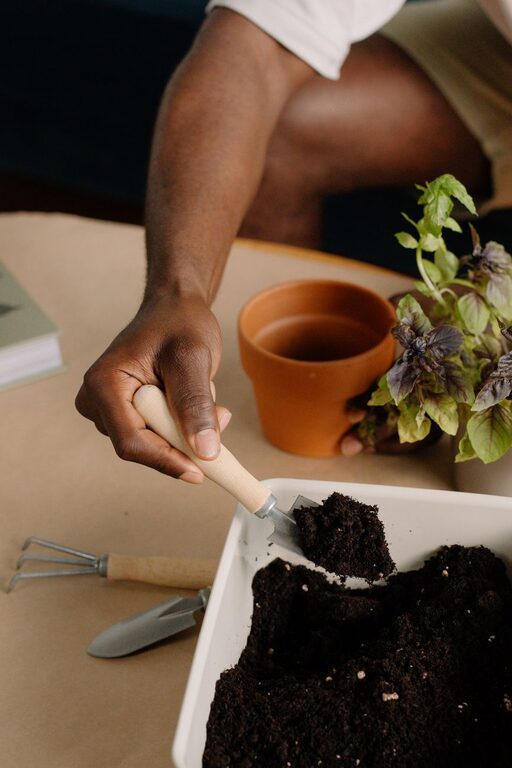
Growing herbs indoors is a simple way to add fresh flavor and greenery to your home. You do not need a large kitchen, a sunny greenhouse, or advanced gardening skills. With a few containers, suitable soil, and regular care, you can grow useful herbs on a windowsill, shelf, or small table.
An indoor herb garden can also be a practical project for beginners. Start with a few easy plants, learn what they need, and expand as you become more comfortable.
Choose the Right Location
The best place for an indoor herb garden is an area with plenty of natural light and easy access to water. A sunny kitchen windowsill is often ideal, but other locations can work well.
Most herbs need around six to eight hours of light each day. A south-facing window usually provides the strongest light, while an east- or west-facing window may offer enough light for many herbs. North-facing windows can be too dim, especially during winter.
Choose a location that is:
– Bright but not extremely hot
– Away from cold drafts
– Convenient for watering and harvesting
– Protected from pets or children if needed
– Large enough to hold containers without crowding
If your home does not receive enough natural light, use a small grow light. Place it above the plants and follow the light manufacturer’s instructions. A timer can make it easier to provide a consistent daily schedule.
Pick Easy Herbs for Beginners
Some herbs adapt better to indoor growing than others. For your first garden, choose plants that are useful in your cooking and relatively easy to maintain.
Good beginner choices include:
– Basil: Fast-growing and useful in sauces, salads, and sandwiches
– Chives: Compact and tolerant of indoor conditions
– Mint: Vigorous and easy to grow, but best kept in its own container
– Parsley: Slow to start but dependable once established
– Oregano: Prefers bright light and fairly dry soil between waterings
– Thyme: Compact and well suited to small pots
– Cilantro: Quick to grow, though it may need to be replanted regularly
– Rosemary: Fragrant and attractive, but requires strong light and good drainage
You can begin with two or three herbs instead of planting everything at once. Basil, chives, and parsley make a useful starter combination.
Select Containers with Drainage
Proper containers are essential for healthy indoor herbs. Each pot should have at least one drainage hole in the bottom. Without drainage, excess water can collect around the roots and cause problems.
Choose a container that is slightly larger than the plant’s root ball. A pot that is too large may hold excess moisture, while a very small pot can dry out quickly and restrict root growth.
You can use:
– Ceramic or terracotta pots
– Plastic nursery pots placed inside decorative covers
– Window boxes with drainage holes
– Small recycled containers, if holes are added safely
Place a saucer beneath each pot to protect your furniture and windowsill. Empty standing water from the saucer after watering.
Use the Right Potting Mix
Regular outdoor garden soil is usually too dense for containers. It may drain poorly and can contain insects or weed seeds. Instead, use a lightweight indoor potting mix designed for containers.
A quality mix should:
– Hold some moisture without becoming soggy
– Drain excess water easily
– Allow air to reach the roots
– Be clean and free of large clumps
Fill each pot loosely, leaving about an inch of space below the rim. Avoid packing the soil down firmly. Loose soil gives roots room to grow and helps water move through the container.
Plant Seeds or Start with Seedlings
There are two common ways to begin an indoor herb garden: planting seeds or purchasing young plants.
Starting with seedlings is usually easier for beginners because the plants are already established. Choose healthy plants with green leaves, sturdy stems, and no visible pests. Avoid plants with yellowing leaves or soil that looks constantly wet.
Growing from seed is less expensive and gives you more variety. Follow the instructions on the seed packet for planting depth and spacing. Many herb seeds should be covered only lightly with soil because they need light or shallow conditions to germinate.
Keep newly planted seeds evenly moist, but do not soak the soil. Once seedlings appear, place them in a bright location and thin them if they are crowded.
Water Carefully
Overwatering is one of the most common problems with indoor herbs. Plants in containers usually need less water than people expect, especially when the room is cool or the light is limited.
Before watering, touch the top inch of soil. If it feels dry, water slowly until a little water drains from the bottom of the pot. If the soil still feels damp, wait a day or two and check again.
Watering needs vary by herb:
– Basil and parsley prefer soil that stays lightly moist.
– Thyme, oregano, and rosemary prefer to dry slightly between waterings.
– Chives and mint usually need moderate, regular moisture.
Use room-temperature water when possible. Water the soil directly instead of spraying the leaves, and allow the container to drain fully.
Provide Regular Care
Indoor herbs grow best with a simple, consistent routine. Rotate the pots every few days so all sides of the plants receive light. This helps prevent stems from leaning toward the window.
Check the plants regularly for:
– Dry or yellowing leaves
– Wilting
– Small insects
– Mold on the soil surface
– Stems that are becoming tall and thin
Remove dead leaves and trim damaged growth with clean scissors. If the plants look stretched or pale, they may need more light. If the soil stays wet for a long time, improve drainage or reduce watering.
Most indoor herbs do not need frequent feeding. If growth slows, use a mild, water-soluble fertilizer according to the product directions. Avoid adding more fertilizer than recommended, since excess nutrients can damage the roots.
Harvest Herbs the Right Way
Regular harvesting encourages many herbs to grow fuller. Use clean scissors or snip the leaves with your fingers, taking only a small amount at a time.
For leafy herbs such as basil, cut just above a pair of leaves. This encourages new branches to form. Chives can be trimmed close to the base as needed. For parsley, remove the outer stems first and allow the center growth to continue.
Try not to remove more than one-third of a plant at a time. Giving the plant enough leaves to continue photosynthesis helps it recover and produce new growth.
Harvest herbs in the morning, after the leaves are dry but before the room becomes warm. Use them fresh, or preserve extra herbs by drying or freezing them.
Troubleshoot Common Problems
Leaves Turn Yellow
Yellow leaves may result from overwatering, poor drainage, or insufficient light. Check the soil before watering again and make sure the pot has a drainage hole.
Plants Become Tall and Weak
Long, thin stems usually indicate inadequate light. Move the plants closer to a bright window or add a grow light. Rotate the pots regularly.
Soil Develops Mold
A white surface coating can appear when soil stays too moist and air circulation is limited. Allow the top layer to dry, improve airflow, and avoid watering on a strict schedule.
Small Insects Appear
Inspect new plants before bringing them indoors. If insects appear, isolate the affected pot and gently rinse the leaves. Remove badly damaged leaves and monitor the plant closely.
Keep Your Garden Simple
A successful indoor herb garden does not need to be large. Begin with a few plants that match your available light and cooking habits. Use containers with drainage, check the soil before watering, and harvest regularly.
As you gain experience, you can add more herbs, try different containers, or create a dedicated shelf with supplemental lighting. With a little attention, even a small indoor garden can provide fresh herbs and a rewarding connection to growing plants throughout the year.