

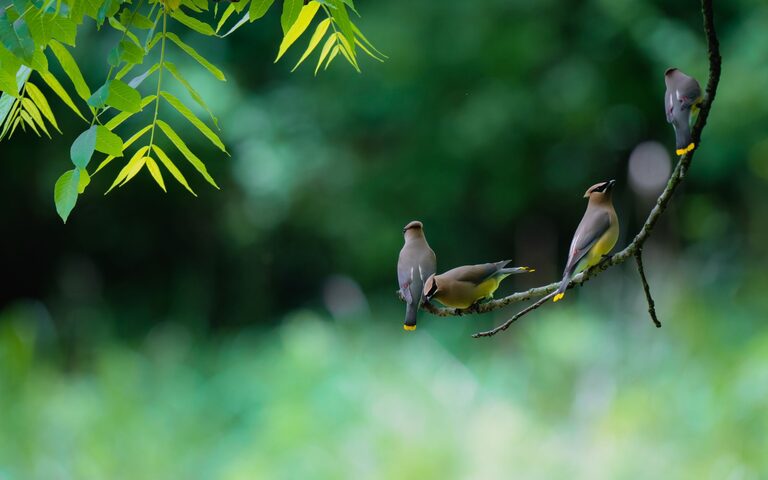
Backyard birdwatching is an easy, rewarding hobby that can be enjoyed from a window, porch, balcony, or garden. You do not need expensive equipment or expert knowledge to get started. With a little patience and a few simple preparations, you can begin noticing more birds and learning about their habits.
Whether you live in a city, suburb, or rural area, birds are likely closer than you think. These beginner tips will help you create a bird-friendly space, identify common species, and make the most of every observation.
Start With a Comfortable Watching Spot
The best birdwatching location is one where you can sit quietly and observe without disturbing the birds. A chair near a window, a shaded porch, or a garden bench can work well.
Choose a spot that offers:
– A clear view of trees, shrubs, or feeding areas
– Some protection from sun, wind, and rain
– A comfortable place to sit for several minutes
– Easy access to a notebook or identification guide
Birds often appear when people are still and quiet. Instead of walking around searching for them, settle in and let the activity come to you. Early morning is usually a good time to watch because many birds are active as they search for food.
Use Simple Equipment
You can begin with very little equipment. The most important tool is your attention. As you become more interested, a few basic items can make observations easier.
Binoculars
A pair of binoculars helps you see details without getting too close. For beginners, compact binoculars are often comfortable and easy to use. Look for a pair that feels light enough to hold steadily.
Practice focusing on a tree branch or fence before trying to follow a moving bird. To find a bird quickly, look at it with your unaided eyes first, then raise the binoculars while keeping your gaze in the same direction.
Field Guide or Birding App
A regional field guide can help you compare shapes, colors, and markings. Bird identification apps can also be useful, especially when they include photos, range maps, and bird calls.
Choose a resource designed for your area. A bird that is common in one part of the country may be rare or absent somewhere else.
Notebook and Pencil
Keeping notes is a simple way to improve your skills. Record:
– The date and time
– The weather
– The bird’s size and shape
– Colors and noticeable markings
– Where the bird was seen
– What the bird was doing
– Any sounds it made
Notes do not need to be perfect. Even a few words can help you recognize patterns over time.
Learn to Notice Shape First
Many beginners focus on color, but lighting can change how colors appear. Shape, size, behavior, and location are often more dependable clues.
When you see a bird, ask yourself:
- Is it smaller than a sparrow, about the size of a robin, or larger?
- Is its body round, slender, long-tailed, or upright?
- What shape is its bill?
- How does it move?
- Is it on the ground, in a tree, near water, or at a feeder?
- Does it have a noticeable stripe, patch, crest, or tail pattern?
For example, a bird that climbs along a tree trunk is displaying a useful behavior clue. A bird with a long, pointed bill may feed differently from one with a short, thick bill. Combining several details is more reliable than depending on one color.
Add Native Plants to Your Yard
A bird-friendly yard does not need to be large. Even a few well-chosen plants can provide food, shelter, and places to rest.
Consider adding:
– Native trees and shrubs
– Plants that produce seeds or berries
– Flowering plants that attract insects
– Dense shrubs for cover
– Trees or vines that offer nesting spaces
Native plants are adapted to local conditions and often support the insects and fruits that local birds use. If you have limited space, use containers with suitable plants on a patio or balcony.
Try to create layers of vegetation. Tall trees, medium-sized shrubs, and shorter plants provide different types of habitat. Leave some natural leaf litter under plants when practical, since insects and small creatures may live there.
Provide Water Safely
A clean water source can attract birds, especially during hot or dry weather. A shallow birdbath is a simple option. Place it where birds can see nearby surroundings but where they have some cover from extreme exposure.
Keep the water fresh and clean:
– Change the water regularly
– Scrub the basin as needed
– Avoid letting algae build up
– Use a shallow design with a textured surface
– Position it where cats and other predators are less likely to hide
Moving water, such as a small dripper, may attract attention, but it is not required. A simple, well-maintained basin can work just as well.
Use Feeders Thoughtfully
Feeders can bring birds close enough for easy viewing, but they require regular care. Choose food that is appropriate for birds in your region and use feeders that are easy to clean.
Common options include:
– Black oil sunflower seeds for many seed-eating birds
– Nyjer seed for some finches
– Suet for certain insect-eating birds during cooler weather
– Nectar for hummingbirds when suitable
Avoid spoiled or moldy food. Clean feeders regularly, especially during warm or wet weather. Spread feeders out when possible so birds have room to move and so one crowded area does not become a source of conflict or disease.
Feeding birds is optional. A yard filled with native plants, water, and natural shelter can support many species without feeders.
Keep Birds Safe
A welcoming bird habitat should also reduce common dangers. Window strikes are a major risk for birds, especially when glass reflects trees or sky.
To make windows safer:
– Add visible decals or patterns across the outside of the glass
– Close blinds or curtains when appropriate
– Move feeders either very close to a window or farther away
– Reduce strong nighttime lighting
Keep cats indoors or use a secure outdoor enclosure. Outdoor cats can pose a serious threat to birds, even when they are well fed. Also avoid using lawn and garden chemicals whenever possible, as they may harm insects and other wildlife that birds rely on.
Practice Patient Observation
Birdwatching is not a race to identify the most species. Spend time watching one bird and notice how it behaves. Does it search under leaves, hop across the lawn, or return repeatedly to one branch?
Move slowly and avoid sudden gestures. Bright clothing is not usually a major concern, but neutral colors may help you blend into the surroundings. Turn off or lower background noise when you can, and learn to recognize regular bird calls in your yard.
Some days may be busy, while others may seem quiet. Weather, season, food availability, and time of day all affect bird activity.
Keep a Simple Bird List
Create a list of species you have seen in your yard. Add the date of your first observation and any interesting details. You can use a notebook, spreadsheet, or birding app.
A list helps you:
– Track seasonal visitors
– Notice changes in bird numbers
– Remember unusual sightings
– Set personal learning goals
– Compare observations from year to year
Start by identifying a few common birds rather than trying to learn everything at once. Once you are comfortable with those species, add new birds gradually.
Enjoy the Learning Process
Every birdwatcher makes uncertain identifications at first. If you are not sure what you saw, write down the details and check several sources later. Avoid guessing based on a single feature.
The goal is to become more observant and enjoy time outdoors. With a comfortable viewing spot, a few basic tools, and a bird-friendly yard, you can turn ordinary moments into rewarding discoveries. Over time, you will begin to recognize familiar visitors, notice seasonal changes, and understand more about the natural activity happening just outside your door.