

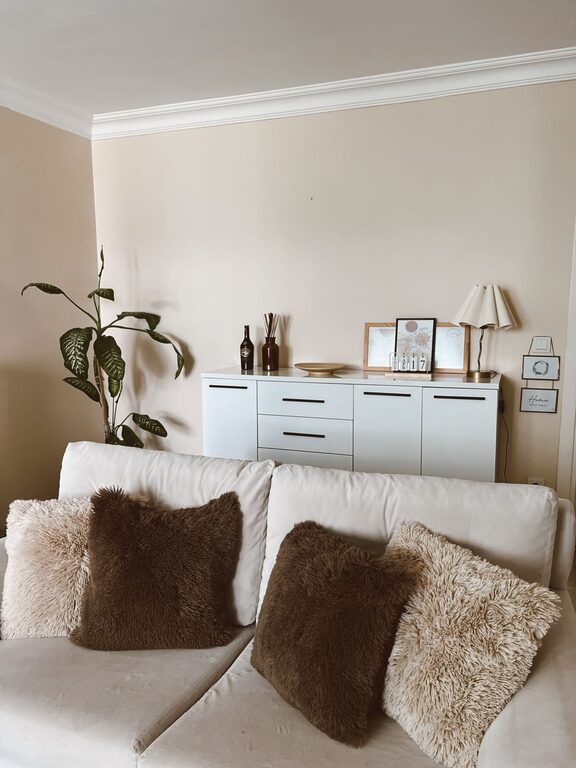
A living room refresh does not have to involve new furniture, expensive renovations, or a complete design makeover. Small, thoughtful changes can make the space feel brighter, more comfortable, and more personal. The key is to focus on updates that have a noticeable effect without stretching your budget.
Before shopping, take a fresh look at the room. Notice what feels tired, crowded, or unfinished. You may discover that rearranging furniture, clearing clutter, or changing the lighting can make a bigger difference than buying several new items.
1. Rearrange the Furniture
One of the easiest ways to refresh a living room is to change the furniture layout. Moving a sofa, chair, or coffee table can improve the flow of the space and give the room a completely different feel.
Try these simple layout ideas:
– Move the sofa away from the wall to create a more inviting seating area.
– Angle an armchair toward the sofa to encourage conversation.
– Place the coffee table closer to the seating so it is easier to use.
– Create a clear walking path through the room.
– Move small tables or stools to different areas for more flexibility.
Use painter’s tape to mark possible furniture locations before moving heavy pieces. This allows you to test several arrangements with less effort.
2. Refresh Soft Furnishings
Textiles can quickly change the color, texture, and mood of a living room. Instead of replacing a sofa or rug, update the smaller pieces around them.
Consider adding or changing:
– Throw pillows
– Blankets
– Curtains
– Seat cushions
– Table runners
– Small accent rugs
For a coordinated look, choose two or three colors that already appear in the room. You can then add patterns or textures without making the space feel busy. For example, solid pillows can balance a patterned blanket, while a textured rug can add interest to a room with simple furniture.
Shopping secondhand, checking clearance sections, and looking for washable covers can help keep costs down.
3. Create a Gallery Wall
A gallery wall can add personality without requiring expensive artwork. Use a mix of items you already own, such as family photos, postcards, children’s drawings, fabric samples, or pages from old calendars.
For a balanced arrangement:
- Lay the frames on the floor first.
- Experiment with different groupings.
- Keep the spacing fairly consistent.
- Place the center of the arrangement near eye level.
- Use paper templates on the wall before adding nails.
Matching frames are not necessary. A mix of wood, black, white, or metallic frames can create a relaxed, collected look. If you want a simpler option, hang one large print or create a neat row of smaller pieces.
4. Improve the Lighting
Lighting has a strong effect on how a living room feels. A room with only one ceiling light may seem harsh or flat, while several smaller light sources can create a warmer atmosphere.
Look for affordable ways to add layers of light:
– Place a floor lamp beside a chair.
– Add a small table lamp to a side table or shelf.
– Use a rechargeable lamp where outlets are limited.
– Replace outdated lampshades.
– Choose warm-toned bulbs for a cozy setting.
You can also improve natural light by cleaning windows, opening curtains fully, and using lighter window treatments. Positioning a mirror across from a window may help reflect daylight around the room.
5. Add Greenery
Plants bring color and life to a living room. If you are new to caring for plants, start with a low-maintenance variety or use realistic artificial plants.
Place greenery in different areas, such as:
– A corner beside the sofa
– A shelf or bookcase
– A coffee table
– A windowsill
– A small side table
You do not need many plants to make an impact. One larger plant can fill an empty corner, while a few small plants can add interest to shelves. Repot existing plants into clean containers, baskets, or simple ceramic pots for an inexpensive update.
6. Style the Coffee Table
A coffee table often becomes the visual center of a living room. Styling it with a few useful and attractive items can make the entire space feel more finished.
Try grouping items on a tray, such as:
– A small vase
– A candle
– A stack of books
– A decorative bowl
– A small plant
Keep some open space so the table remains practical. If the table is used often, choose items that are easy to move. A tray makes it simple to clear the surface when you need extra room.
7. Paint a Small Area
Painting an entire living room can be time-consuming, but a smaller project may provide a similar sense of change. Consider painting one wall, a built-in shelf, a fireplace surround, or the inside of a bookcase.
When choosing a color, look at the room’s existing furniture and natural light. A soft neutral can make the space feel calm, while a deeper shade can add contrast and highlight a specific feature.
Prepare the area carefully by cleaning the surface, protecting floors, and using painter’s tape along edges. A small amount of paint can go a long way when used in a focused location.
8. Declutter and Restyle Shelves
Shelves can make a room feel crowded when every space is filled. Remove everything and return only the items you enjoy or use.
Use a mix of:
– Books
– Framed photos
– Baskets
– Small plants
– Decorative objects
– Empty space
Arrange items in groups of different heights. Place larger pieces toward the back and smaller items in front. Leaving a few open areas allows the display to look intentional rather than cluttered.
This is also a good opportunity to rotate seasonal decorations or move items from other rooms into the living room.
9. Update Hardware and Small Details
Small changes can make older furniture look more current. Replace the handles or knobs on a media cabinet, side table, or storage unit with affordable new hardware.
Other details worth updating include:
– Worn outlet covers
– Frayed lampshades
– Loose cabinet hinges
– Dated curtain rods
– Scratched picture frames
Choose finishes that work with the room’s existing features. Repeating one finish, such as black, brass, or brushed metal, can help the space feel more coordinated.
10. Shop Your Home
Before buying anything new, look around the rest of your home. A lamp from the bedroom, a basket from the entryway, or artwork from a hallway may look completely different in the living room.
You can also repurpose items in simple ways:
– Use a storage basket as a planter cover.
– Turn a sturdy stool into a side table.
– Display a favorite scarf or textile as wall art.
– Place a tray on an ottoman to create a stable surface.
– Group small objects together instead of spreading them around the room.
Moving existing items costs nothing and can help you understand what the room actually needs.
11. Add One Personal Feature
A living room feels more inviting when it reflects the people who use it. Choose one feature that adds character, such as a collection of travel souvenirs, a handmade item, a favorite photo, or a display of books you enjoy.
The goal is not to fill every surface. One thoughtful personal element often has more impact than many generic decorations.
12. Set a Simple Budget
A budget works best when you decide what matters most before shopping. Make a short list of priorities, such as better lighting, new pillows, or improved storage.
Divide your spending into three groups:
– Must-have updates: Items that solve a real problem.
– Nice-to-have updates: Pieces that improve the look but are not essential.
– Free updates: Rearranging, decluttering, and restyling what you already own.
Complete the free changes first. Once the room is clearer, you may find that you need fewer new items than expected.
A budget-friendly living room refresh is mostly about making purposeful choices. Rearrange the layout, improve the lighting, add texture, and display items that make the room feel like home. With a little creativity and careful planning, even small updates can create a noticeable change.